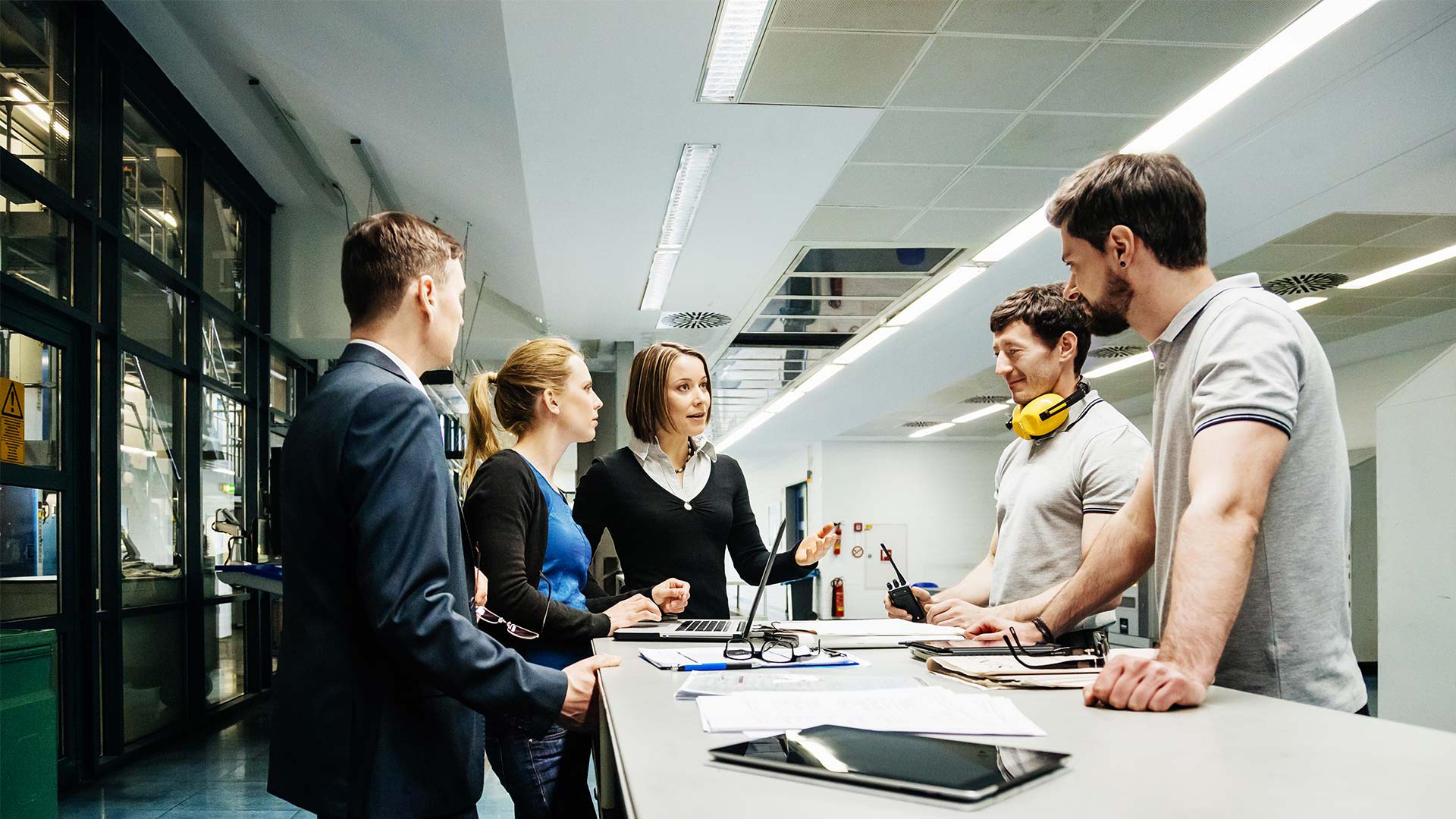
For the first time in history, five generations share the same workplace. A Baby Boomer with thirty years of domain expertise sits beside a Gen Z hire who has never known a world without AI. Between them sit three other generations – each with different learning preferences, digital fluency levels, and expectations of what development should look like.
This is not a demographic curiosity. It is one of the most complex training challenges organizations have ever faced – and most are still trying to solve it with a single, uniform program.
The Scale of the Problem
Labor force participation among workers aged 65 and older has climbed from 12.4% in 1994 to nearly 20% in 2025, projected to keep rising (SHRM/BLS, 2025). Meanwhile Gen Z – digital natives who expect learning to be on-demand and mobile-first – are the fastest-growing share of new hires.
These two cohorts do not just have different skills. They have fundamentally different relationships with learning itself. Research from the Institute for Organizational Development confirms: older employees prefer structured, formal formats; Millennials and Gen Z gravitate toward flexible, digital, peer-driven experiences.
One training program cannot serve both. Yet that is exactly what most organizations are attempting.
The result? Only 1 in 3 organizations sees more than half its employees actively engaging with upskilling programs – despite significant platform investment (Fuel50, 2026).
Why One-Size-Fits-All Fails
The World Economic Forum projects 39% of workers’ core skills will be transformed or outdated by 2030. The half-life of a technical skill has dropped to just 2.5 years.
This affects every generation differently. Senior employees may hold irreplaceable domain expertise but face digital fluency gaps. Junior employees may be digitally native but lack contextual judgment that only experience builds. A program designed for one group actively disengages the other.
Deloitte’s 2025 Gen Z and Millennial Survey found L&D is a top priority for younger employees evaluating employers. They are not learning to comply – they are learning to grow. Organizations that cannot make that growth visible and personalized will lose them.
What Adaptive Learning Changes
Adaptive learning removes the false choice between structured and self-directed development. An intelligent platform adjusts content, format, pace, and depth based on what a learner already knows and what they need next – not based on their job title or hire date.
Predictive skills gap analysis identifies capability needs before they surface as performance problems. Personalized pathways close those gaps at the individual level, at scale – without the L&D team manually curating a curriculum for every persona.
When Infosys deployed this approach internally through Wingspan, nearly 220,000 employees logged over three million hours of learning within a year. That kind of engagement does not happen with a one-size-fits-all program. It happens when learning adapts to the people, not the other way around.
The Bigger Opportunity: Reciprocal Learning
The most effective multigenerational teams do not just tolerate generational differences – they leverage them. Reverse mentoring, where junior employees share digital fluency while gaining institutional knowledge in return, consistently improves both skill transfer and cross-generational trust.
This requires platforms that make knowledge sharing effortless – peer recommendations, shared learning pathways, cohort-based challenges – and a culture that treats every generation’s contribution as genuinely valuable.
The 2030s and 2040s are projected to be the most multigenerational years in workforce history. Organizations building adaptive learning infrastructure now are not solving a temporary problem. They are building the capability engine that carries them through what comes next.
The workforce has never been more diverse. Learning that cannot adapt to that diversity is not learning – it is friction.