When Expertise Becomes Hard to Scale
Refineries and other asset-intensive industries are facing a growing challenge. Experienced planners, schedulers, and engineers are retiring, project complexity continues to increase, and organizations are under constant pressure to improve safety, reliability, and cost performance. At the same time, companies possess decades of valuable information from past turnarounds, shutdowns, and capital projects. Historical schedules, lessons learned, work packs, performance metrics, and operational data hold tremendous insight, yet much of that knowledge remains fragmented across systems, documents, and individual experience. The challenge is no longer collecting data. The challenge is transforming organizational knowledge into actionable intelligence that helps teams plan faster and make better decisions.
Why Traditional Planning Approaches Are Being Stretched
Planning a turnaround or major project has never been a simple scheduling exercise. Teams must balance thousands of activities, resource constraints, operational requirements, safety considerations, and business objectives. Despite advances in digital tools, much of the planning process still relies heavily on manual effort and the experience of a few key individuals. Teams often spend weeks gathering information, reviewing historical plans, and rebuilding schedules before meaningful optimization can begin. This creates a significant risk. As experienced workers retire or move into different roles, organizations risk losing institutional knowledge that has been built over decades. New planners inherit responsibilities faster than they can absorb the lessons that seasoned experts learned over entire careers. Organizations need a way to preserve expertise while accelerating the planning process.
AI as a Knowledge Multiplier
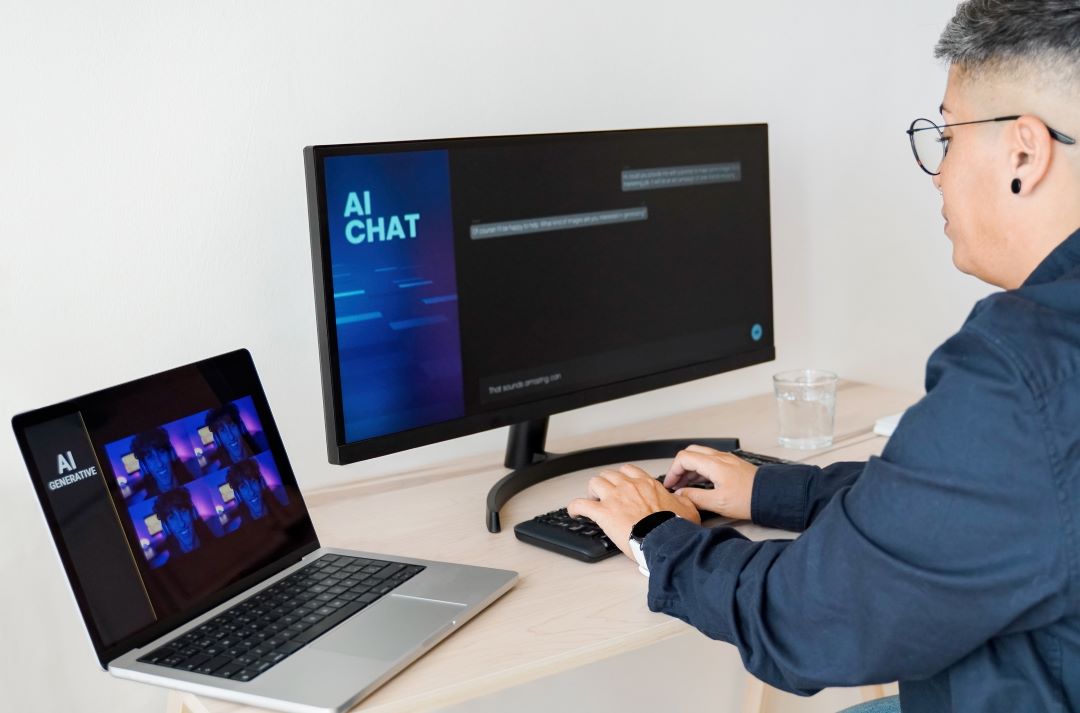
Recent advances in artificial intelligence are creating new opportunities to address this challenge. Rather than replacing planners and subject matter experts, AI can help amplify their expertise. By analyzing historical schedules, lessons learned, equipment data, work scopes, and performance outcomes, AI can quickly identify patterns and generate planning options that would traditionally take weeks to develop. It can highlight risks, identify potential constraints, recommend resource strategies, and surface relevant insights from previous events. More importantly, AI enables teams to leverage knowledge that already exists within the organization. Instead of starting from a blank page, planners can build from proven experience and focus their time on refining, optimizing, and validating plans. The result is a shift from information gathering to higher-value decision making.
Keeping Humans in the Loop
While AI can accelerate analysis and planning, successful outcomes still depend on human expertise. Experienced planners, operations leaders, and engineers provide the context that technology alone cannot. They understand site-specific constraints, operational realities, and business priorities. Their judgment remains critical in evaluating recommendations and determining the best path forward. This human-in-the-loop approach combines the speed and analytical power of AI with the practical experience of industry professionals. Rather than replacing expertise, AI helps make that expertise more scalable, accessible, and repeatable across the organization. The most successful organizations will not be those that automate decision-making. They will be those that empower their people with better insights and stronger information.
Turning Knowledge Into a Competitive Advantage
Beyond faster planning, perhaps the most significant opportunity is the preservation of institutional knowledge. Every turnaround, outage, and project creates lessons that can improve future outcomes. Capturing and applying those lessons consistently has long been a challenge. AI offers a way to transform historical knowledge into an organizational asset that grows more valuable over time. As workforce demographics shift and operational complexity increases, companies that successfully combine human expertise with AI-enabled insights will be better positioned to improve schedule quality, reduce risk, lower costs, and execute with greater confidence. The future of planning is not about replacing experts. It is about making decades of experience available to every planner, engineer, and project team. When organizations can combine their collective knowledge with the power of AI, they unlock what was previously impossible: planning smarter, learning faster, and continuously improving performance.
The organizations that will gain the greatest advantage from AI are not those that replace expertise, but those that make expertise more accessible, scalable, and enduring. If your organization is exploring new ways to accelerate planning, preserve institutional knowledge, or improve turnaround and project outcomes, we would welcome the opportunity to connect and discuss your experiences and challenges.
Please feel free to reach out to gentra_cartwright@infosys.com.
Gentra Cartwright is an Associate Partner with Infosys Consulting’s Energy practice. She helps refining and energy companies improve operational performance through digital transformation, capital project optimization, turnaround excellence, and AI-enabled decision support. Her work focuses on combining industry expertise with emerging technologies to solve complex business challenges.