Hi everyone,
As a UX and UI Design Lead immersed in the HMI development for a prominent Swedish EV car company over the past 1.5 years, I’ve had a front-row seat to the seismic shifts happening in the automotive world. It’s a truly exhilarating and complex time, and I wanted to share my perspective on some pivotal trends and what they mean for us.
1. From Driver to Passenger: Redefining the Car Buying Experience & User Role
As autonomy evolves, the most profound shift for the user is from active driver to a more passive participant – or even a supervisor. This fundamentally redefines the in-car experience and, consequently, what consumers prioritize when buying a car.
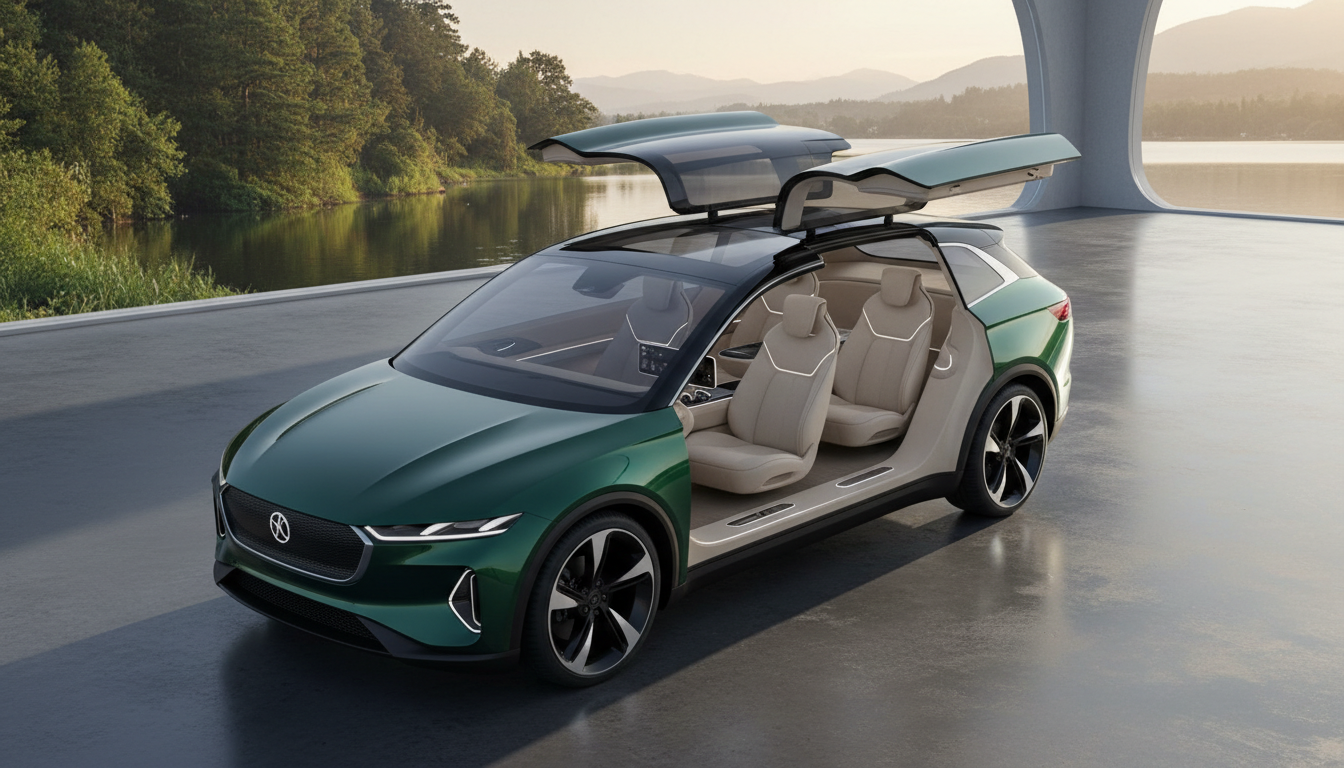
The “Third Space” Experience: When the car drives itself, the previously “lost” time spent commuting transforms into valuable free time. This opens up the vehicle interior to become a “third space” – distinct from home and work. Car buyers will increasingly evaluate vehicles based on:
- Productivity: Can I comfortably work, take video calls, or manage personal tasks? This demands adaptable workspaces, integrated communication tools, and robust connectivity.
- Entertainment & Well-being: What kind of immersive audio-visual experiences are available? Can I relax, meditate, or engage in leisure activities? This includes sophisticated infotainment systems, personalized climate zones, advanced seating ergonomics, and even integrated wellness features.
- Social Interaction: Will the interior facilitate face-to-face conversations by allowing seats to swivel or reconfigure?
Intriguingly, we’re not just predicting this future; we’re already seeing the foundations of this “third space” taking shape in current production vehicles and the existing projects that we have worked on as HMI designers. Consider the advancements already integrated into our cars:
- Seamless software integrations that allow for direct access to popular communication platforms like call and messaging apps, or comprehensive video streaming applications directly on the infotainment screen.
- Many automakers are actively forging partnerships with leading media and entertainment companies to provide a rich array of in-car content, transforming commutes into personal theaters or concert halls.
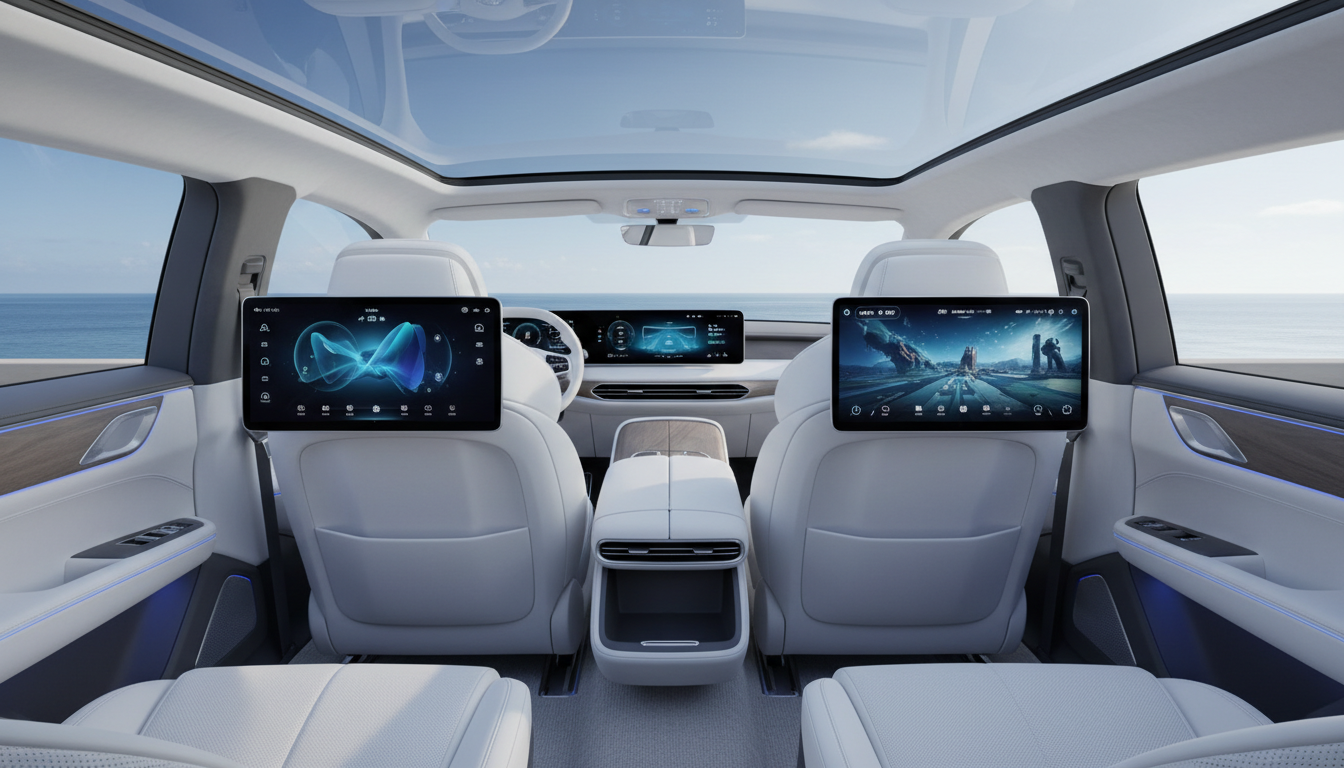
- Features like advanced climate control zones, enhanced audio systems, and even early forms of personalized ambient lighting are all designed to elevate comfort and well-being. These are more than just isolated features; they are the early, tangible signs of a deeply involved, multi-faceted in-car experience that will soon become standard, preparing users for a future where the primary role shifts from driving to living within their vehicle.
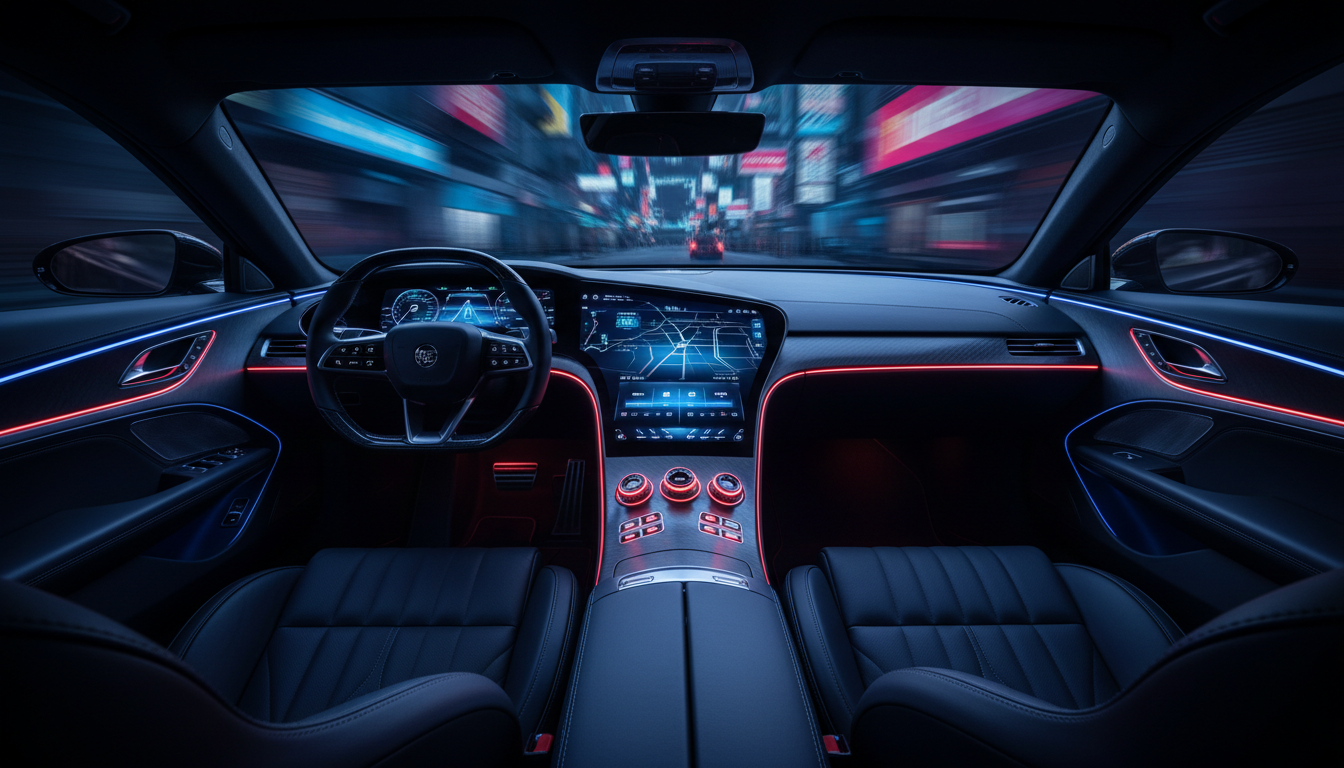
- Shifting Buying Criteria: Traditional buying factors like horsepower, handling, and “driver engagement” will gradually give way to:
Software Ecosystem & Services: What apps are integrated? What subscription services are available? How seamlessly does the car connect with my other devices and digital life? - Interior Design & Configurability: The quality of materials, the comfort of seating, ambient lighting, and the ability to customize the cabin for different activities (e.g., “lounge mode” vs. “office mode”).
- Trust in Autonomy & Safety Features: How reliable and transparent are the autonomous driving capabilities? What are the fail-safe mechanisms?
- Connectivity & Data Management: The speed and reliability of the internet connection, and how personal data is managed. For mechanical engineers, this means designing adaptable interiors. For software engineers, it means building robust, secure, and highly customizable platforms. For project managers, it means orchestrating teams around new, user-centric metrics.
2. The Cornerstone of Trust: HMI in the Autonomous Vehicle Era
This shift to passive participation fundamentally hinges on trust. For users to willingly cede control to a machine, they must implicitly trust its capabilities, its intentions, and its ability to act safely. The HMI (Human-Machine Interface) is not just about aesthetics anymore; it’s the critical communication bridge that builds or breaks this trust.
The HMI in an autonomous vehicle must be a master communicator, providing:
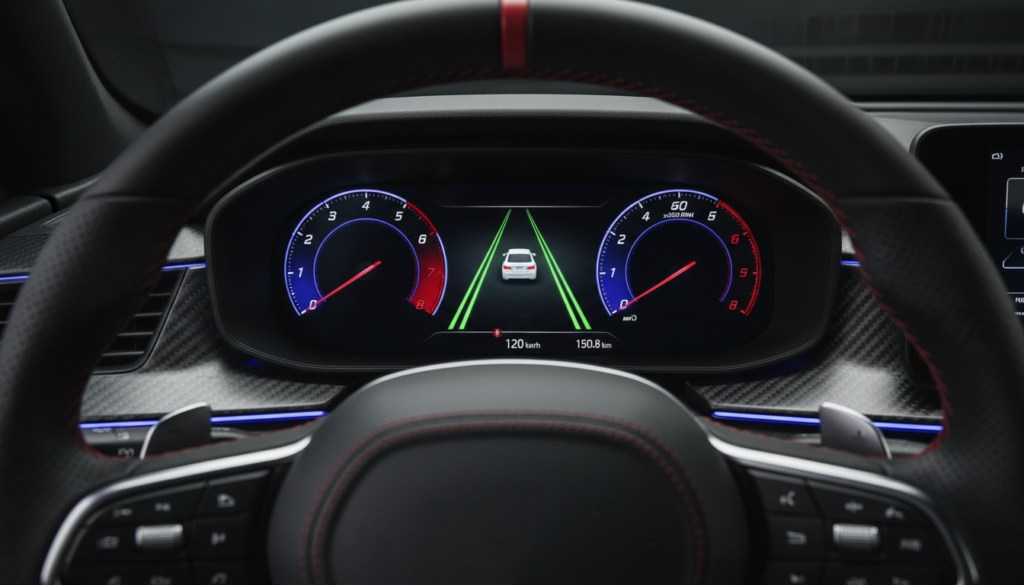
- Crystal-Clear System Status: Users need immediate and unambiguous feedback on what the car is doing and who is in control (e.g., Level 2, 3, 4 autonomy). Visual cues, sounds, and haptic feedback must clearly indicate when the vehicle is navigating autonomously, assisting the driver, or requiring human intervention.
- Transparent Intent & Prediction: The HMI should communicate the vehicle’s intentions before it acts. Why is it slowing down? Is it changing lanes? Is it anticipating a pedestrian? Visualizations of the car’s “perception” of its surroundings (e.g., showing detected vehicles, lane markings, obstacles) help build confidence and predictability.
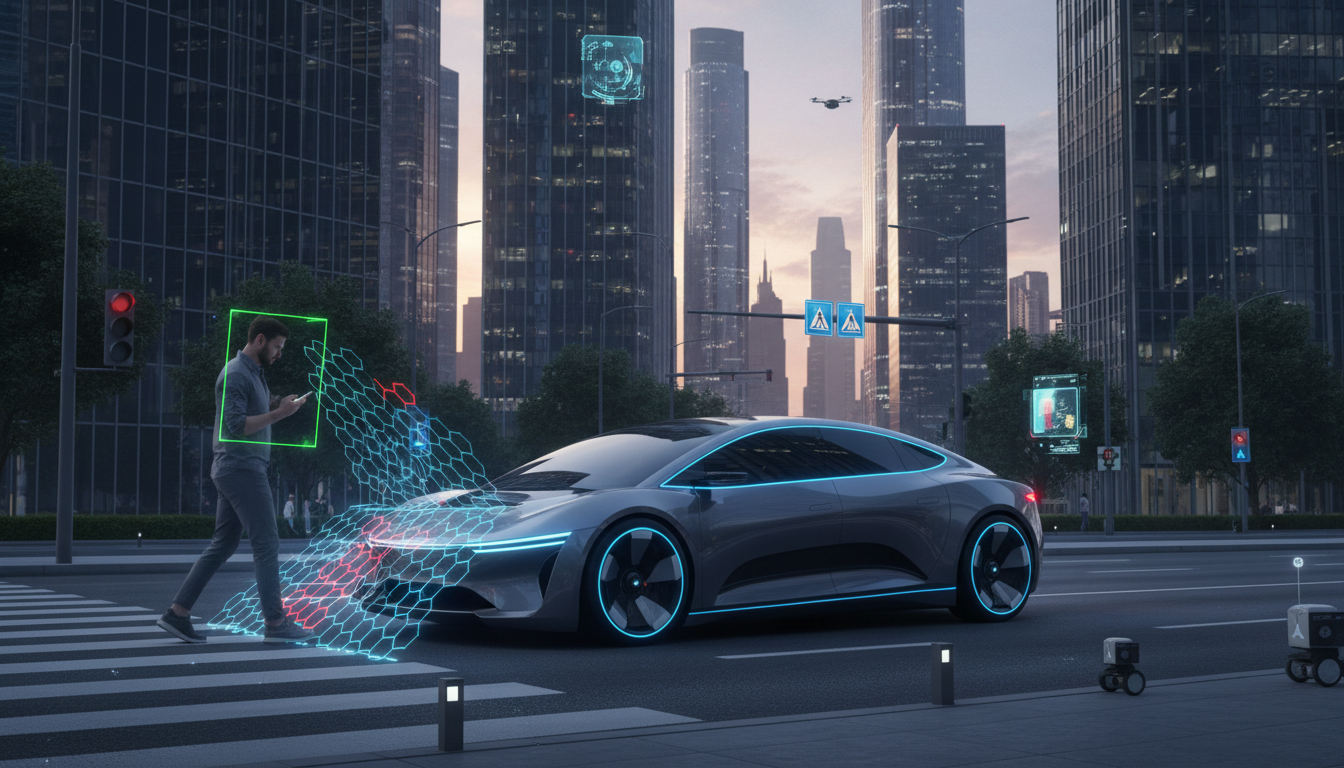
- Intuitive Handover Protocols: The moment of transition from autonomous driving to human control (and vice-versa) is a critical safety point. The HMI must use clear, multi-modal cues (visual, auditory, haptic) to prompt and guide the driver through this handover process, ensuring they are mentally and physically ready to take over.
- Explainable AI (XAI): In complex or unexpected situations, the HMI may need to provide a simplified explanation of why the vehicle made a certain decision. This transparency is crucial for maintaining trust, especially in edge cases.
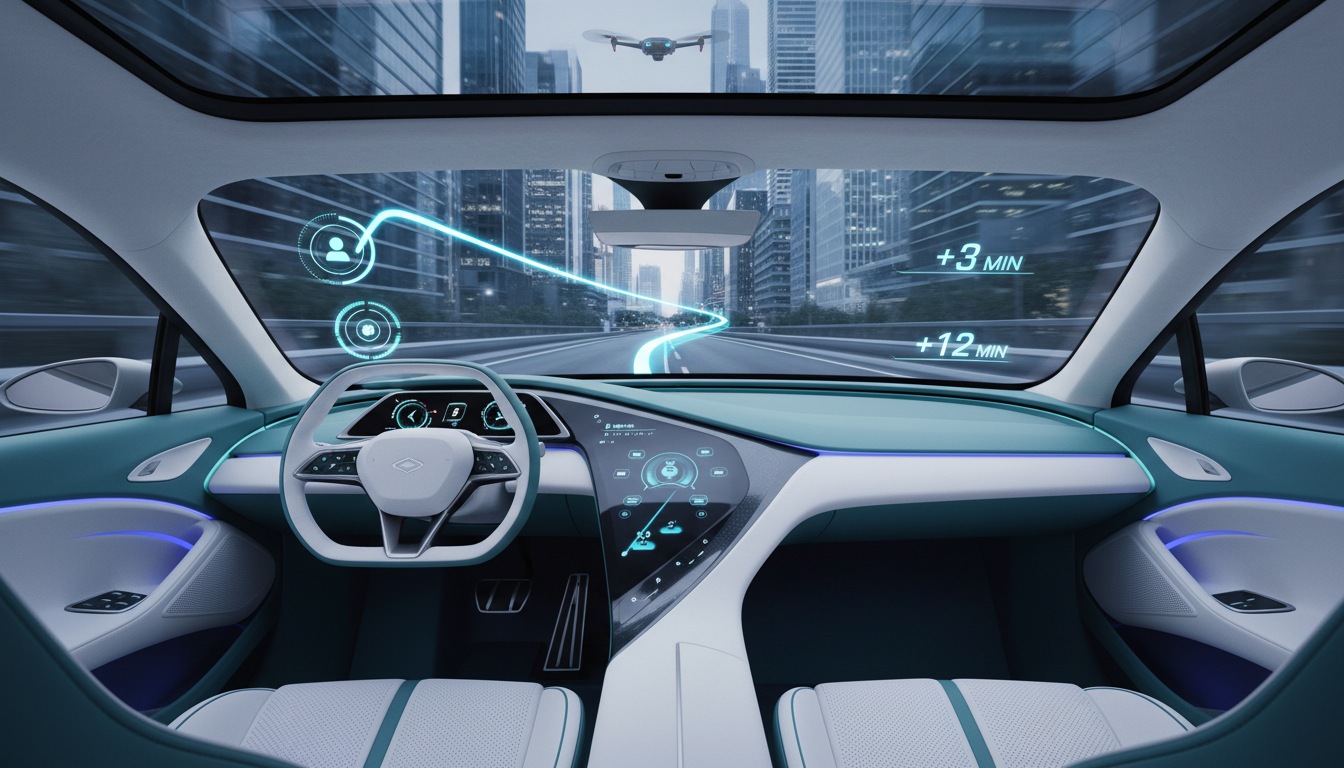
- Reassurance & Comfort: Beyond functional communication, the HMI’s overall design – its visual language, animations, soundscapes, and responsiveness – must evoke a sense of calm, safety, and reliability. Avoiding jarring movements or ambiguous signals is paramount.
Failing to build this trust through a meticulously designed HMI risks user anxiety, rejection of the technology, and potential safety incidents. Our collective expertise – from the robustness of software engineering in real-time communication, to the empathetic understanding of user needs from UX design, and the clarity of visual communication from UI/CGI – is absolutely vital to building HMIs that not only function flawlessly but also inspire profound confidence.
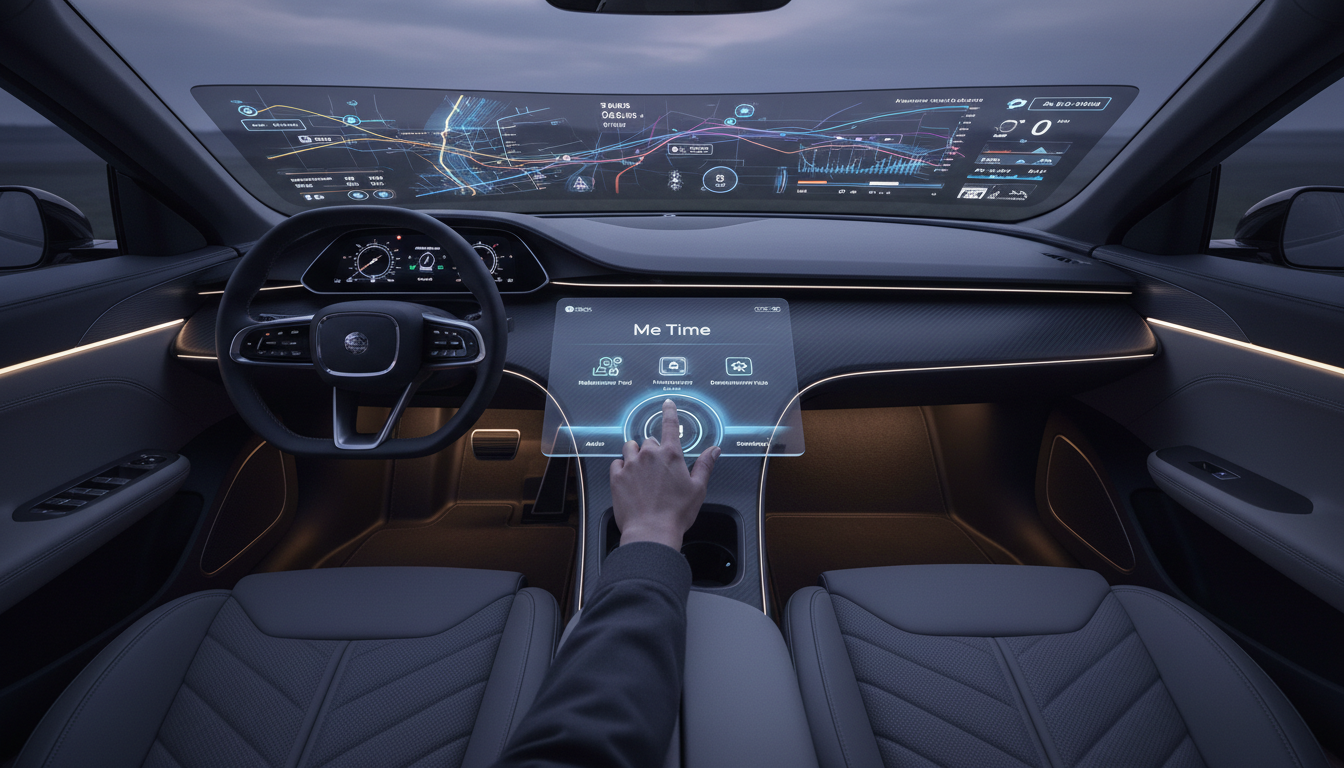
In my current project as a UX/UI/3D Designer for a leading EV company, I’ve personally tackled the challenge of building user trust within the system. We meticulously design to ensure that users receive all critical information precisely when it’s needed within the user experience flow. This involves a crucial, delicate balance: presenting the right type of data at the right points in the UX journeys, without overwhelming the user.
For example, consider vehicle driving settings where users can adjust parameters like suspension stiffness, or drive assist settings for the sensitivity of ADAS features like preventive braking or Lane Keep Assist, and Adaptive Cruise Control.
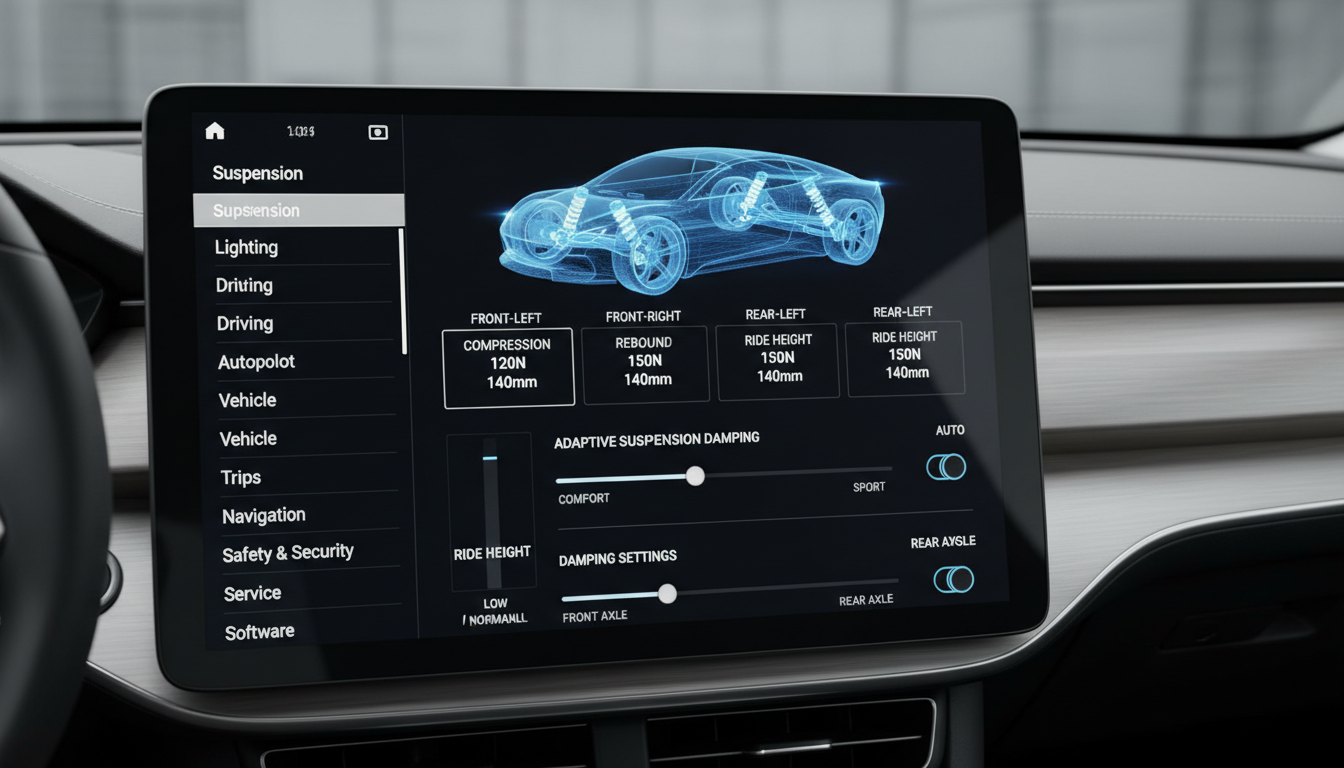
These are areas where we’ve relied heavily on visual cues alongside concise written information to effectively explain how these functions work and what parameters users can control. It’s about empowering the user with clear understanding, even as the vehicle takes on more responsibility.