For decades, innovation in the automotive industry was measured in horsepower, torque, and mechanical precision. The race was about who could engineer the most efficient engine or the safest chassis. But that era is rapidly evolving today, the most important component in a vehicle isn’t the engine. It’s software. We’re witnessing a fundamental transformation from hardware-driven machines to software-defined, intelligent mobility platforms. A shift that’s rewriting the very DNA of the automotive industry.
The modern vehicle is a rolling data center, powered by hundreds of sensors, ECUs (Electronic Control Units), and connected systems. Yet for years, this intelligence remained fragmented with each function managed by its own hardware. Software-Defined Vehicles (SDVs) are changing that by decoupling hardware from software, enabling centralized compute, faster updates, and continuous improvement. For OEMs, the opportunity is transformative. Instead of value ending at the point of sale, SDVs unlock a lifetime relationship with the customer through over-the-air updates, feature subscriptions, and data-driven services. This shift means innovation no longer stops when a car rolls off the production line; it accelerates.
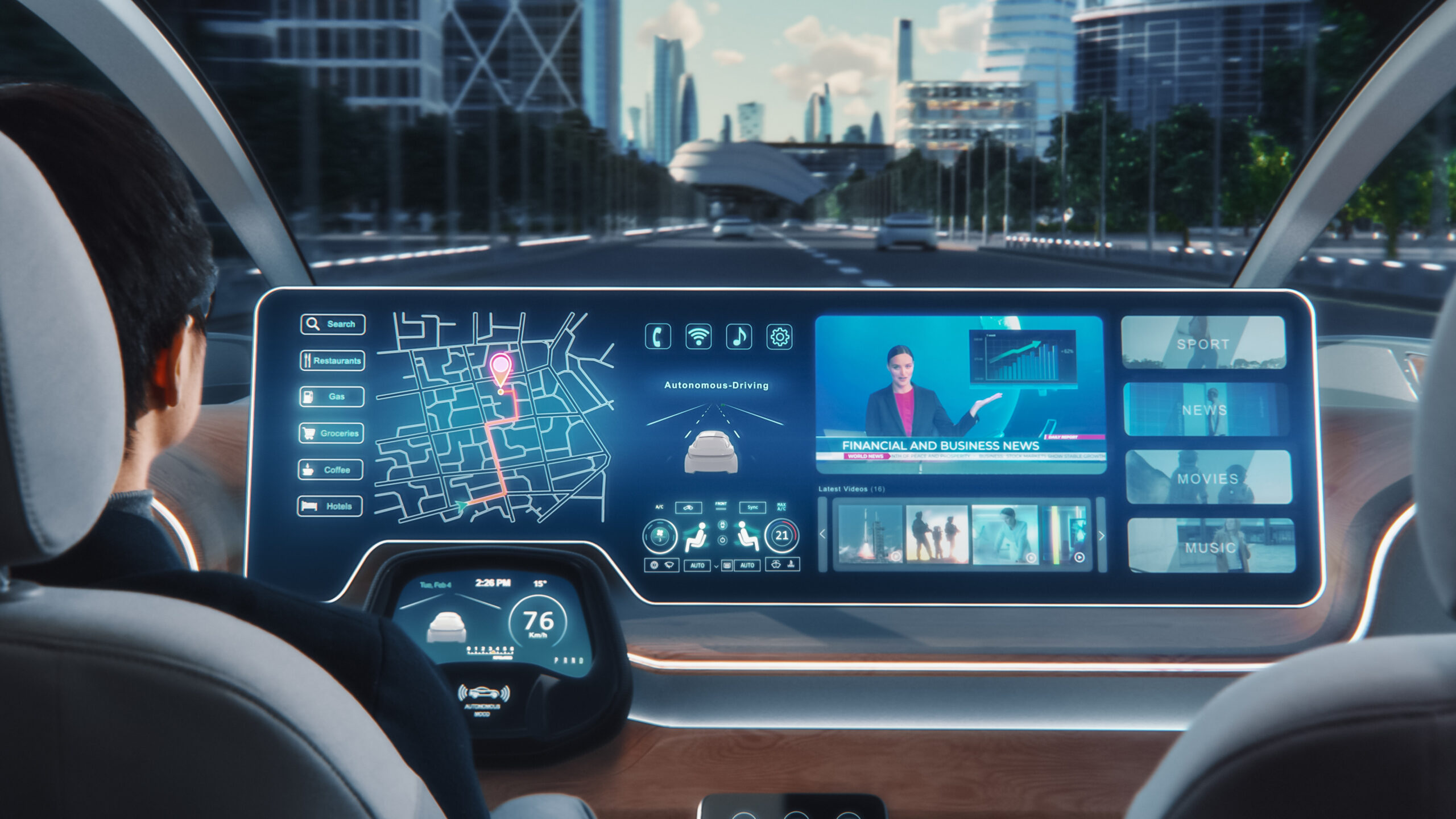
Pioneers across the globe are redefining what a vehicle can be. Tesla remains the benchmark, treating its cars like constantly improving digital platforms with features, safety updates, and performance boosts delivered over-the-air. Mercedes-Benz, through its proprietary MB.OS, is building a unified software stack that connects infotainment, driver assistance, and energy management into one seamless experience. In China, BYD’s e-platform 3.0 is blending its strengths in electric powertrains with intelligent software to optimize range, performance, and battery health through real-time analytics. Meanwhile, Xiaomi, drawing on its consumer-tech DNA, is entering the mobility space with vehicles designed to integrate effortlessly into users’ connected ecosystems from smartphones to smart homes. Together, these players illustrate how the industry’s future is no longer determined by who builds the best engine, but by who writes the most intelligent code.
The impact is undeniable. SDVs enable faster innovation cycles (traditional OEMs take 50 months to manufacture their vehicle while Chinese cars are taking 15 months through SDVs), enhanced safety through real-time updates, and predictive maintenance that reduces downtime. Vehicles can personalize experiences for every driver and generate lifetime value through recurring software services turning ownership into an ongoing subscription-based relationship.
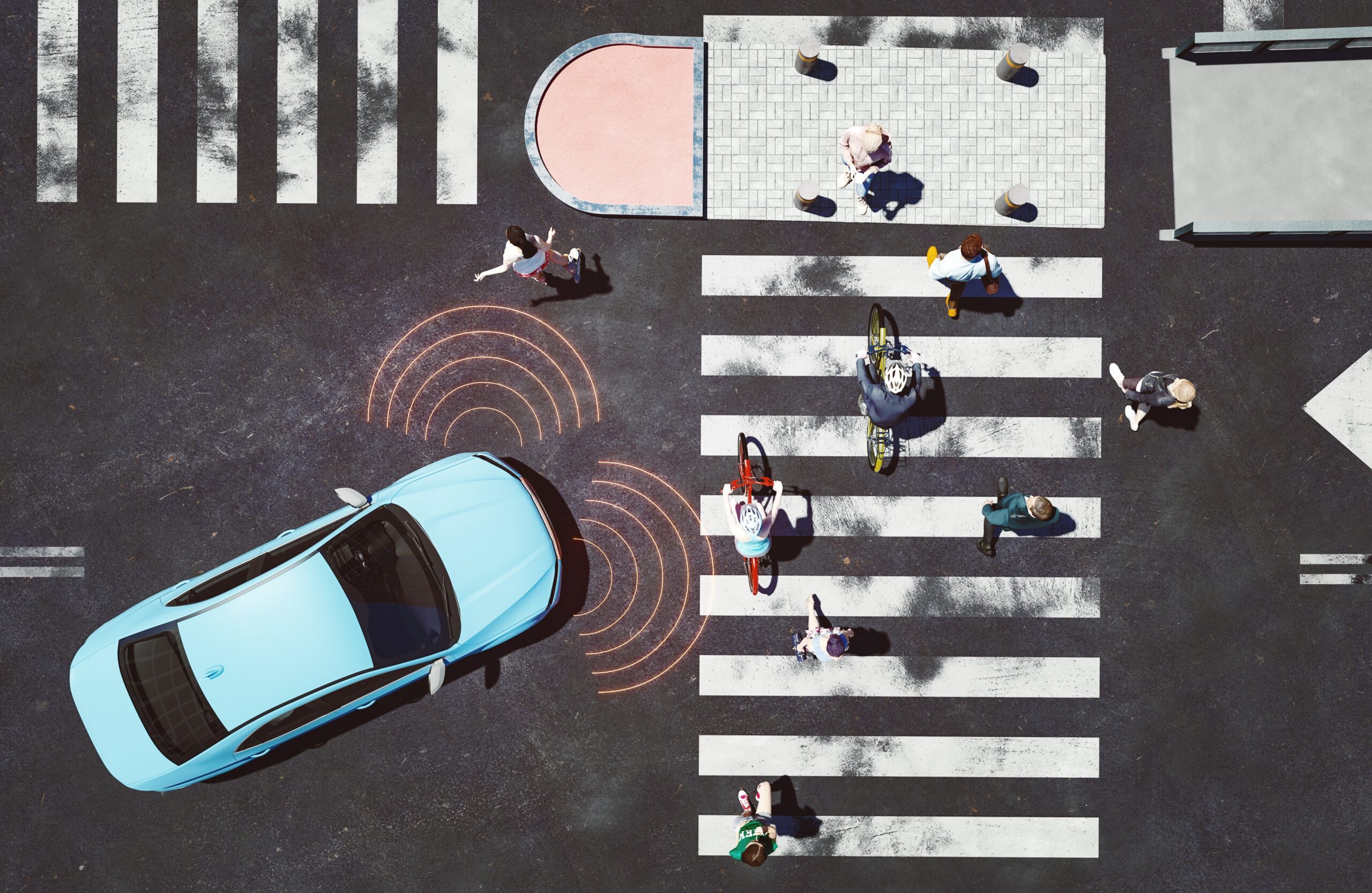
At the Infosys Business Incubator (IBI), we’re not just observing the SDV shift, we’re incubating ventures that are building for it. Our SDV offering focuses on accelerating the development of connected, software-driven vehicles through offerings like SDV toolchain, virtual validation and SDV Observability. From real-time data orchestration to over-the-air update frameworks, we’re helping OEMs and mobility startups reimagine how vehicles are designed, updated, and experienced. By combining Infosys’ deep engineering expertise with startup agility, IBI is enabling the next generation of intelligent, software-defined mobility solutions.
The road ahead is clear: the vehicles of tomorrow won’t just be built in factories, they’ll be engineered through code, continuously evolving, and driven by intelligence. The SDV revolution has begun and it’s rewriting the automotive DNA for good.
Special thanks to Dr. Vinod Venkateswaran, Krishnananda Shenoy and Ramesh Kalyana Sundaram for co-authoring this blog.
References:










Great insights!